Give people cash.

“Time and time again, researchers have shown that free money may be the most efficient, the cheapest, and the most civilized way to combat poverty,” Dutch historian Rutger Bregman says in a 2014 TED Talk. “Counter to really harmful stereotypes, we saw that people made wise financial choices,” adds Claire Williams, CEO of Canadian nonprofit Foundations for Social Change, referring to a cash transfer study that the organization ran with the University of British Columbia in 2018. For emergency responses, cash transfers are cheaper than bringing in supplies, support local economies and markets (where supplies may be available, just not affordable), and are more efficient, convenient, and safe. And when distributed in these contexts, they can help people not slide into (or further into) poverty following a major shock like an earthquake, drought, war, or flood. Even in non-emergency situations, a small startup grant of $100 is sometimes all it takes to help a family living below the poverty line to launch a new business, while keeping on top of their bills and keeping their children fed and in school.
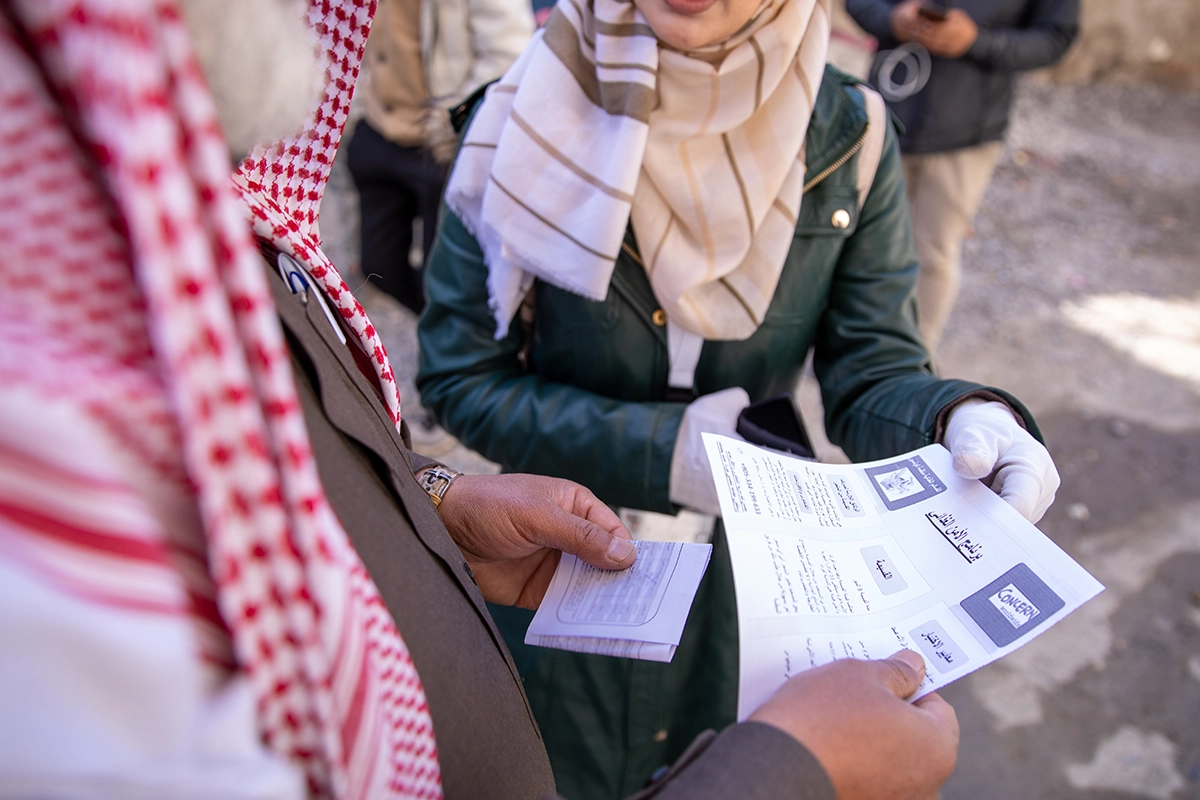
A cash voucher distribution in northern Syria gives participants the chance to support local businesses, while getting the items they need despite challenges like limited work and high rates of inflation.


Comments
Post a Comment