Make healthcare more accessible.

One of the knock-on effects of nutritional or waterborne diseases is that the most vulnerable people — people who are often more likely to get these illnesses in the first place — usually lack affordable and quality healthcare options, both for treatment and preventative care. This is also true for people who sustain injuries that may prevent them from working.
Maternal and child health in particular are two major opportunities. Expecting mothers need regular checkups and more nutritional care to ensure that their child is born with the best possible future for their health and development (malnourished mothers often pass that on to their unborn child). Concern helps to train local healthcare workers who in turn work within their communities, monitoring childhood nutrition, and providing health demonstrations. We’ve also found mobile clinics to be an effective way of providing regular care in hard-to-reach communities, whether they’re in the remote Lake Chad Basin or on one of Bangladesh’s many islands.
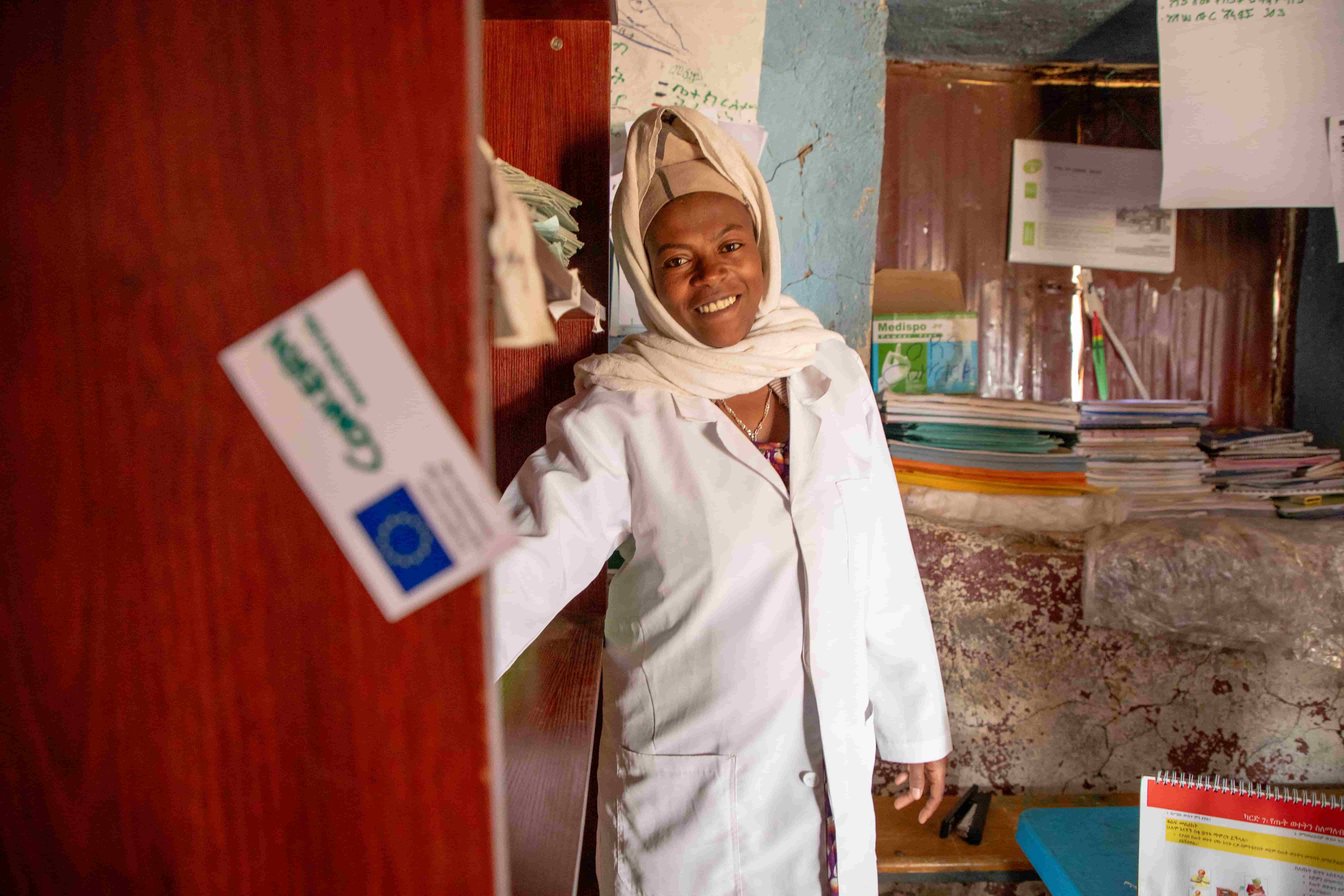
Taimy Belay is a Concern health extension worker specializing in nutrition and healthcare initiatives for mothers and children at Liware Health Post in Beyeda, Amhara. (Photo: Eugene Ikua/Concern Worldwide)


Comments
Post a Comment